01
Color restoration
Fading and discoloration
Repairs & Refurbishment
A worn play feature does not always need to be replaced. BoMar can assess damaged or aging soft-play equipment and recommend a practical path for repair, recoating, refinishing, or full refurbishment.
Before → After
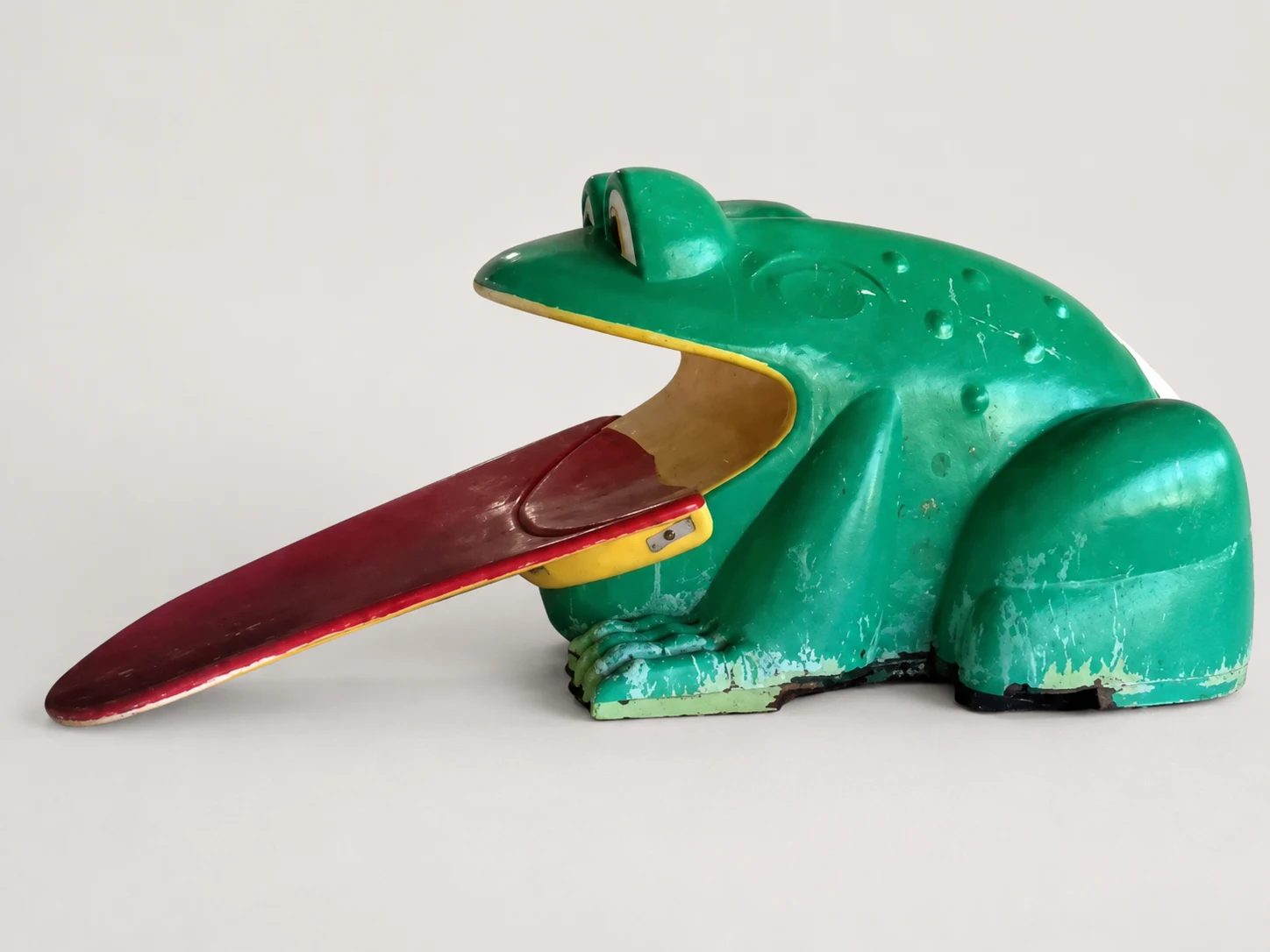
The photos tell the story better than a list of repair terms. Use the Before / After control to see the same Frog Slide before and after refurbishment.
Different camera angle. Same restored feature.
The toggle intentionally switches between the real project photographs rather than simulating a drag comparison.
Featured transformation
Repair capabilities
The right repair approach depends on the feature, construction, condition, access, and extent of the damage.
Fading and discoloration
Peeling, worn or damaged finish
Tears, holes and punctures
Gouges, rips and worn areas
Air bubbles and blisters
Wear-and-tear assessment
A second life can look different
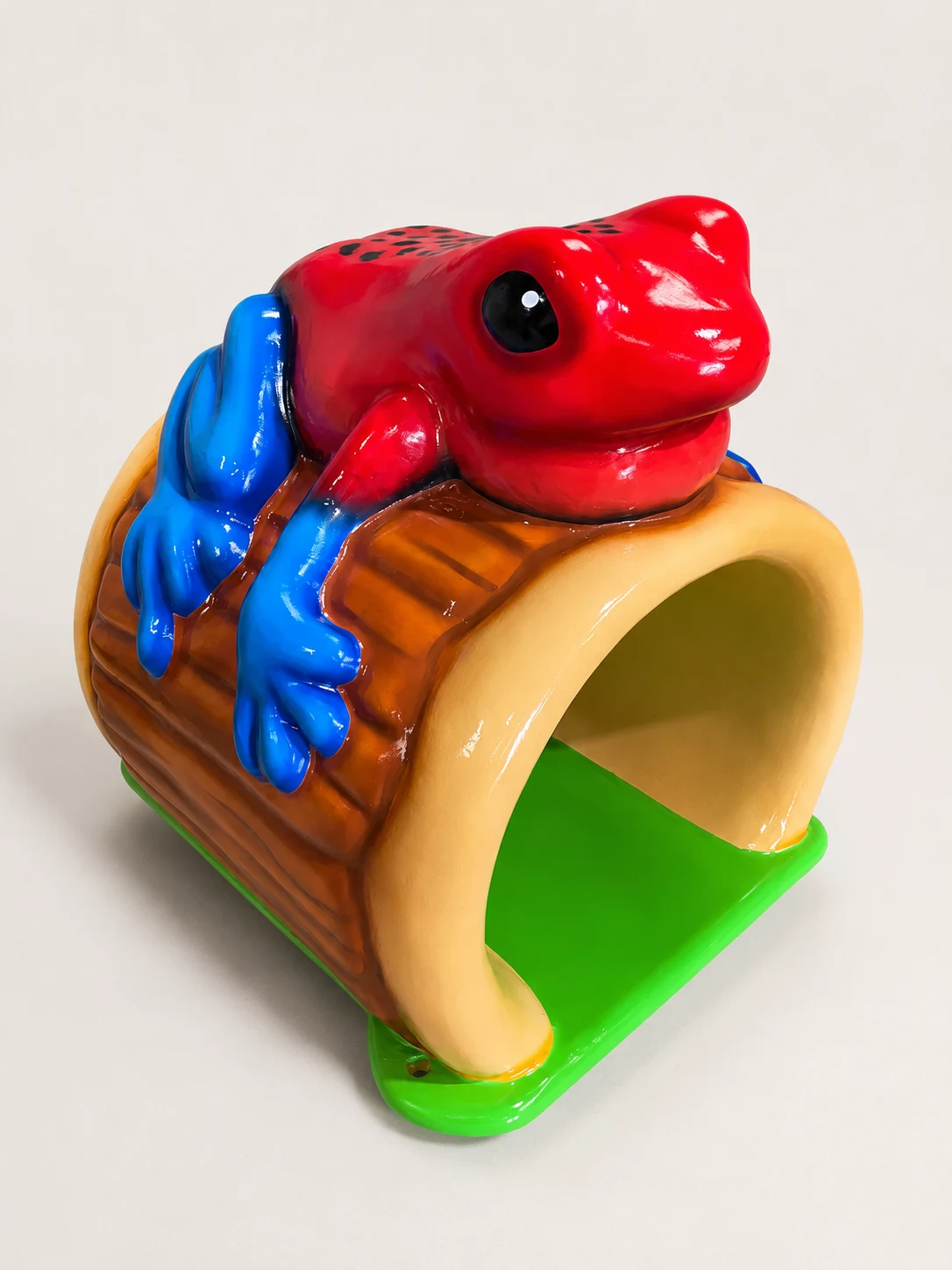
Refurbishment does not have to mean recreating the exact original color scheme. The Frog on Log Tunnel shows how an existing feature can be repaired and returned with a completely refreshed visual identity.
Frog on Log Tunnel
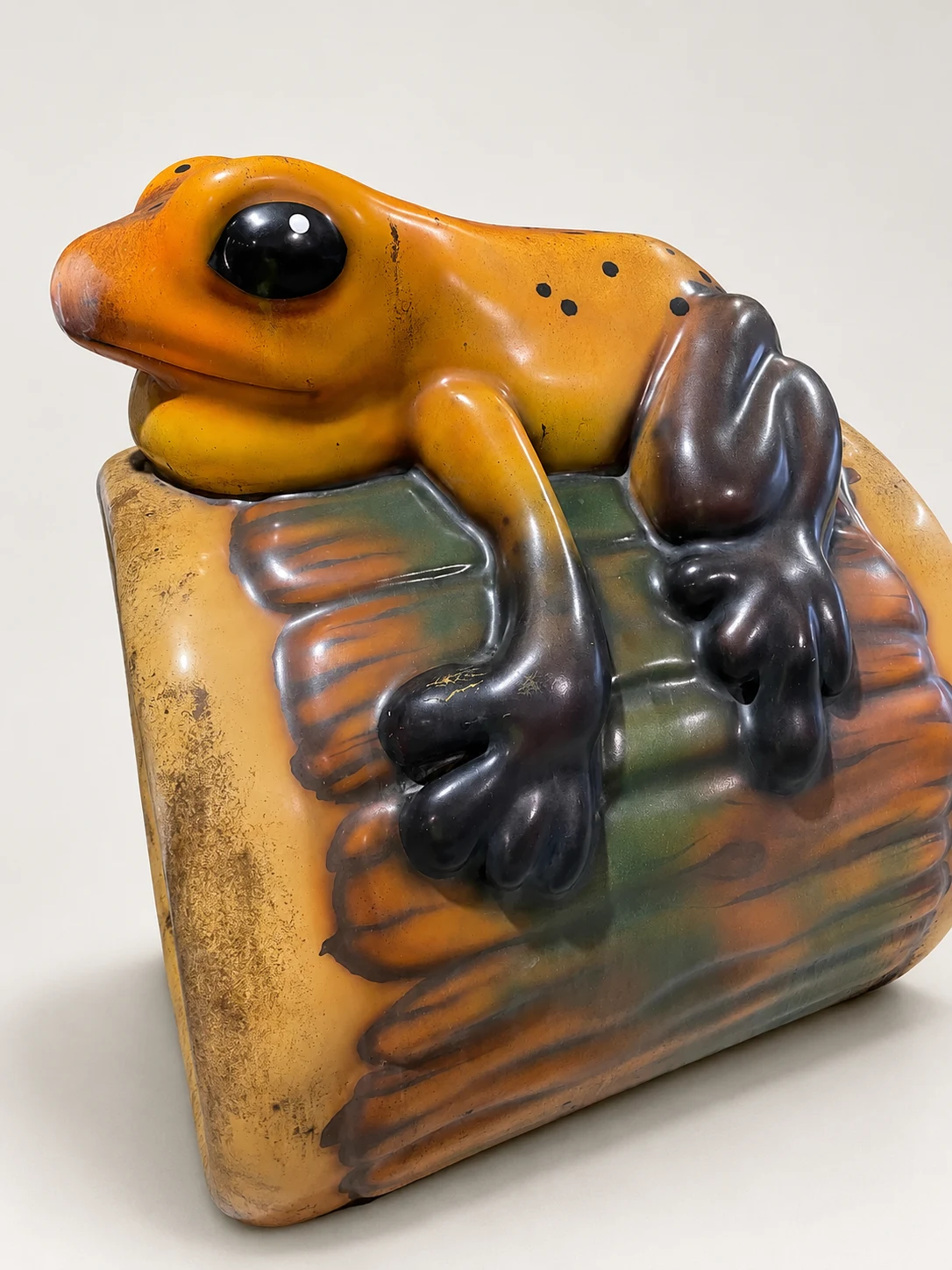
Frog on Log Tunnel
Two repair paths
The condition of the feature and the scope of work determine the best repair environment. BoMar reviews the project before recommending the path.
For repair work that can be appropriately assessed and completed where the feature is installed, subject to access and project conditions.
For broader restoration work that benefits from a controlled workshop environment and a more comprehensive refurbishment process.
Assessment first
Good overall photos, close-ups of the problem areas, and a little project context are the best place to begin.
Share clear photos, approximate dimensions, location, and any known information about the feature.
BoMar reviews the condition, likely repair scope, access, and whether on-site or in-shop work is more appropriate.
We outline the recommended path before repair work is scheduled.
Have a feature that needs attention?
Send photos and a short description. We’ll review the condition and help determine the next step.